Hands on the Machine: The RAF Technicians Who Make Every Mission Possible
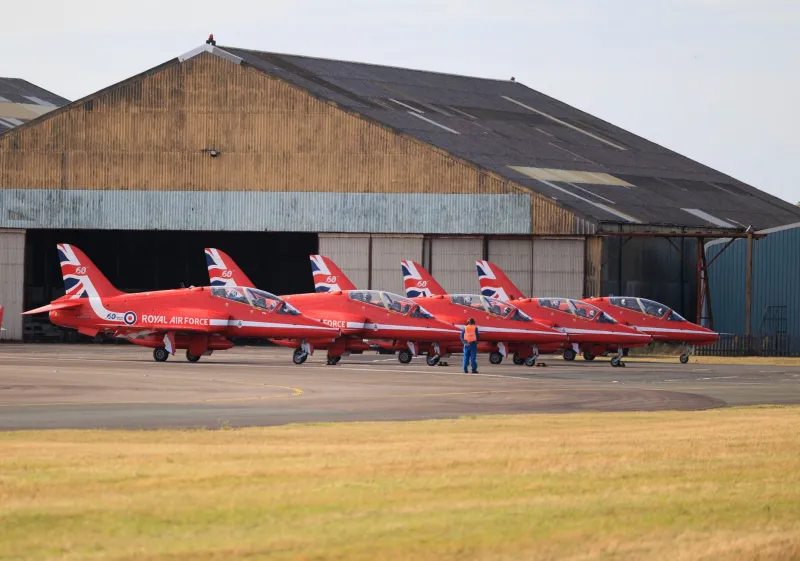
The public image of the Royal Air Force is overwhelmingly shaped by its aircrew—the pilots and navigators whose skill and composure under pressure rightly command admiration. Yet for every hour a fast jet spends in the air, a significant multiple of that time has been invested on the ground by men and women whose work is rarely photographed and seldom celebrated beyond their immediate squadrons. They are the aircraft technicians, the avionics specialists, the engine fitters, and the weapons engineers—the unseen operators without whom no aircraft would ever leave the pan.
Understanding their world requires moving past the flight line and into the hangars, workshops, and briefing rooms where the real maintenance of British air power takes place.
Entry Points and Trade Structures
The RAF's technical trades are organised into a structured hierarchy that reflects both the complexity of modern military aviation and the career development needs of its personnel. Recruits interested in engineering roles typically enter through one of several pathways: as Aircraft Technicians, Avionics Technicians, or through specialist streams covering propulsion, weapons, or survival equipment.
Initial trade training takes place primarily at RAF Cosford in Shropshire, one of the most significant military engineering training establishments in Europe. New recruits spend months working through foundational modules covering aircraft systems, hydraulics, electrical theory, and mechanical principles before progressing to platform-specific training on the aircraft types they will maintain operationally. The depth of this training is considerable—trainees are not simply learning to follow maintenance checklists, but developing a genuine understanding of why aircraft systems behave as they do and how to diagnose faults under pressure.
For those entering the avionics stream, the curriculum is particularly demanding. Modern RAF aircraft—the Typhoon, F-35B, and Poseidon, among others—carry sensor suites, electronic warfare systems, and communications architectures of extraordinary complexity. An avionics technician working on a Typhoon must be capable of interfacing with software-driven diagnostic systems, interpreting fault codes across multiple integrated platforms, and making informed judgements about whether an aircraft is safe to fly. These are not routine mechanical tasks; they require a level of technical literacy that compares favourably with civilian aerospace engineering roles.
Life on the Flight Line
The operational reality of aircraft maintenance is shaped by one overriding imperative: the aircraft must be ready when it is needed. This sounds straightforward; in practice, it demands a workforce capable of operating under significant time pressure, often in challenging environmental conditions, and occasionally with incomplete information about the nature of a fault.
Technicians on frontline squadrons typically work in shifts to ensure continuous coverage of the aircraft fleet. The pre-flight servicing of a Typhoon, for instance, involves a systematic inspection of airframe, engines, avionics, weapons systems, and life support equipment—a process that must be completed accurately and within defined timeframes before a pilot can strap in. Any discrepancy identified during that inspection must be diagnosed, rectified, and verified before the aircraft is signed off as serviceable. The signature on a servicing form carries genuine legal and professional weight; it is a declaration that the aircraft is fit to fly.
This culture of personal accountability is one of the defining features of RAF ground crew professionalism. Technicians do not simply hand work off at the end of a shift and forget about it—they understand that their judgements directly affect the safety of aircrew and, by extension, the success of operational missions.
Weapons Loading: Precision Under Pressure
Amongst the most physically demanding and technically precise roles in the ground crew community is that of the weapons technician, colloquially known as a weapons loader. These specialists are responsible for the safe preparation, handling, and loading of the RAF's entire range of air-delivered munitions—from practice bombs on a training sortie to Brimstone missiles and Paveway guided weapons on a combat mission.
The work requires not only physical strength and coordination but a meticulous understanding of weapons safety protocols, fusing systems, and aircraft-specific integration requirements. A loading error—whether a misaligned pylon fitting or an incorrect fuse setting—could have catastrophic consequences. Consequently, weapons loading is conducted under strict procedural controls, with independent checks built into every stage of the process.
Competition within the RAF weapons loading community is fierce and purposeful. The annual Tactical Weapons Meet sees teams from across the service competing on speed and accuracy, reinforcing standards and fostering a culture of excellence that has direct operational benefits.
The Challenge of Sustaining Expertise
Retaining skilled technicians is one of the RAF's most persistent personnel challenges. The training investment required to produce a fully qualified aircraft technician or avionics specialist is substantial—both in time and cost—and the skills those individuals develop are directly transferable to the commercial aviation sector, which offers competitive salaries and more predictable working patterns.
The RAF has responded with a range of retention measures, including financial incentives for technicians in high-demand trades, enhanced career development pathways, and greater investment in working conditions at key stations. The introduction of the Aircraft Technician trade structure in recent years—which merged previously separate mechanical and avionics streams at the junior level—was partly intended to create a more flexible and resilient workforce, capable of covering a broader range of tasks and therefore more valuable both to the service and to individual career progression.
Recognition Long Overdue
There is a growing awareness within the RAF, and increasingly in public discourse, that the contribution of ground crew deserves far greater recognition than it has traditionally received. Initiatives such as the RAF's own internal commendation systems and the occasional feature in service publications go some way towards addressing this gap, but the cultural default remains firmly pilot-centric.
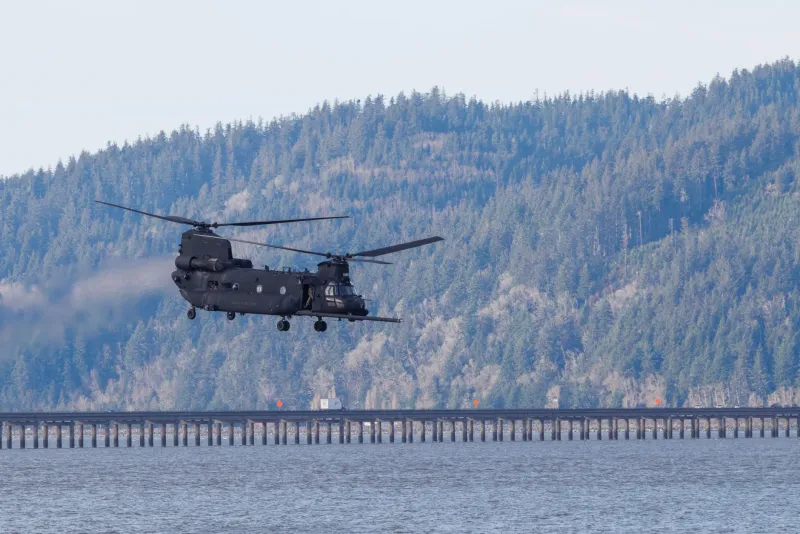
The next time a Typhoon banks over a crowd at an airshow, or a Chinook lumbers across a news broadcast on a humanitarian mission, it is worth pausing to consider the dozens of hands that prepared it. The pilots are visible; the technicians are not. But without the latter, there would be nothing to watch.