Airframes Without Expiry: The RAF Veterans That Simply Refuse to Stand Down
There is a particular irony embedded in the lifecycle of military aviation: the aircraft designed to be replaced within a generation frequently outlast the programmes intended to succeed them. Across RAF stations from Brize Norton to Odiham, a number of platforms that first took to the skies during the Cold War continue to fly operational sorties, accumulate flight hours, and—crucially—deliver genuine combat capability. Understanding why requires a look not only at engineering, but at the economic and strategic realities of running a modern air force on a finite budget.
The Hercules: A Study in Managed Longevity
Few aircraft in RAF history have generated as much institutional affection—and as much debate—as the Lockheed C-130 Hercules. The type entered service with the RAF in 1967, and whilst the last of the C-130Js were retired from frontline transport duties in 2023, the Hercules family's influence on RAF culture and doctrine endures. Its longevity was no accident. Over successive decades, the airframes underwent a series of significant modifications: avionics overhauls, engine upgrades, structural reinforcements, and the integration of defensive aids suites that would have been unrecognisable to the original designers.
What made the Hercules so difficult to retire was not sentiment, but utility. The aircraft's short-field performance, its ability to operate from austere and unprepared strips, and its adaptability to roles ranging from parachute insertion to humanitarian airlift made it genuinely difficult to replicate. The Atlas A400M, its eventual successor in the tactical transport role, is a more capable aircraft in numerous respects—but the transition period was prolonged precisely because the operational community was reluctant to surrender a proven tool before a replacement had demonstrated equivalent versatility in theatre.
The RAF's experience with the Hercules illustrates a broader procurement truth: when an airframe performs reliably and its operators understand its characteristics intimately, the bar for replacement becomes exceptionally high. Familiarity is not complacency; it is operational efficiency accumulated over decades.
The Chinook: Rotary Wing Resilience
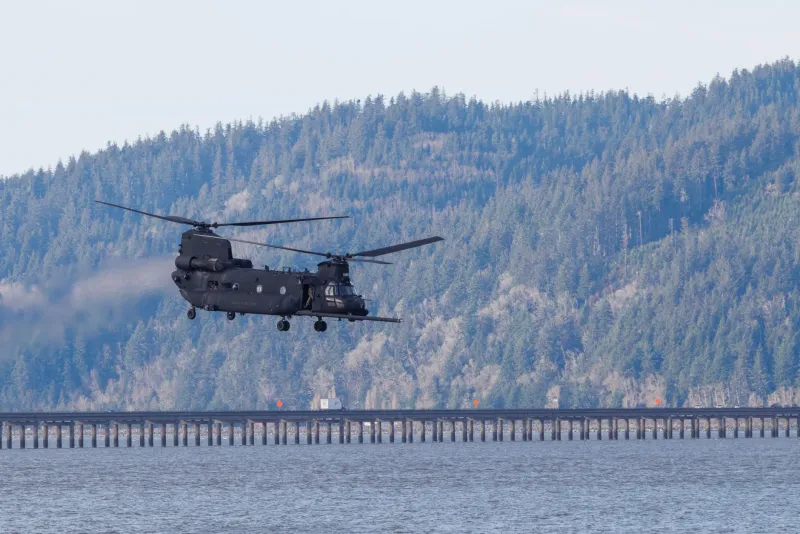
If the Hercules represents fixed-wing longevity, the Boeing Chinook is its rotary equivalent. The RAF received its first Chinooks in 1980, and the type has served continuously ever since—through the Falklands conflict, Northern Ireland, the Gulf, Afghanistan, and numerous humanitarian operations across the globe. The current fleet, operating as the HC6 and HC6A variants, bears little internal resemblance to those original machines beyond the fundamental twin-rotor configuration.
The Chinook's survival owes much to a programme of rolling upgrades that has, in effect, produced a series of new aircraft within familiar airframes. Digital cockpits, upgraded Lycoming engines, improved rotor systems, and enhanced survivability equipment have transformed what was a capable but limited Cold War helicopter into a platform suited to twenty-first century operations. The Ministry of Defence's decision to invest in the Chinook Capability Sustainment Programme, rather than pursue a clean-sheet replacement, reflected a calculated judgement: the cost of upgrading a proven design was substantially lower than the risk and expenditure associated with developing or procuring an entirely new heavy-lift helicopter.
That judgement has largely been vindicated. The Chinook remains the RAF's primary heavy-lift rotary asset, and no credible successor has emerged on the horizon. The platform is expected to serve well into the 2040s, meaning some airframes will have been operational for over six decades—an extraordinary achievement by any measure.
The Economics of Extension
The decision to extend an airframe's service life rather than procure a replacement is rarely straightforward. Critics of life-extension programmes argue that ageing platforms consume disproportionate maintenance budgets, tie up skilled technicians, and ultimately represent a false economy. There is substance to this critique. Older airframes can develop fatigue issues that are expensive to diagnose and repair; supply chains for legacy components thin out over time; and the institutional knowledge required to maintain obsolete systems is itself a finite resource.
Yet the counter-argument is equally compelling. New aircraft programmes are notoriously prone to delay and cost overrun. The history of British defence procurement is littered with examples of replacement programmes that arrived late, over budget, or in reduced numbers. In such an environment, a serviceable airframe—even one that demands investment—can represent a more reliable guarantee of operational capacity than a next-generation programme still navigating development hurdles.
The Treasury's approach to defence capital expenditure has, in recent years, tended to favour managed life extension over speculative new procurement. This is not an irrational position when viewed through the lens of risk management, though it does create long-term challenges for industrial base development and capability modernisation.
What Endurance Tells Us About Capability Planning
The persistence of veteran platforms in RAF service is not merely a logistical curiosity—it is a window into the complexities of capability planning in an era of constrained resources and accelerating technological change. The aircraft that survive longest tend to share certain characteristics: they are versatile enough to be adapted to evolving mission sets, robust enough to absorb structural modifications, and operationally irreplaceable in at least one critical niche.
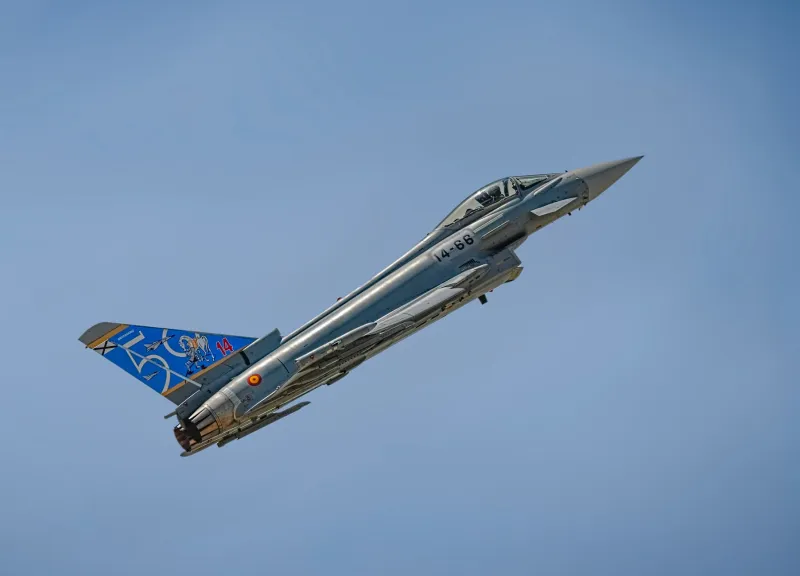
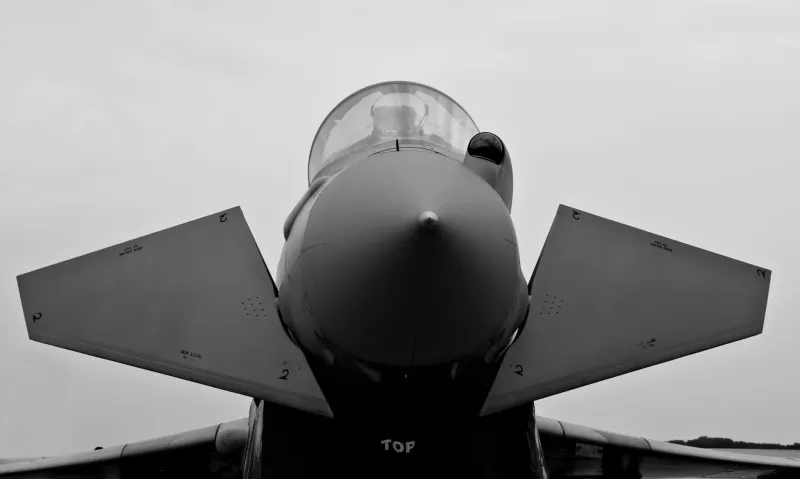
As the RAF looks ahead to platforms such as the F-35B, the Atlas A400M, and the eventual arrival of the Global Combat Air Programme's successor to the Typhoon, the lessons of the Hercules and Chinook remain pertinent. Investment in upgradability from the outset, rather than treating it as an afterthought, may well determine which of today's modern aircraft are still flying in 2060.
The sky, it turns out, has a long memory—and so do the aircraft that have learned to inhabit it.