The Cockpit Gap: Why Britain's Air Force Turns Away Enthusiasts While Starved of Aircrew
There is a peculiar contradiction at the heart of British air power recruitment. Public enthusiasm for the RAF — measured in airshow attendance, media interest, and the sheer volume of applications to become an officer — has arguably never been higher. And yet the service continues to report shortfalls in qualified pilots, engineers and aircrew that directly constrain its operational output.
This is not a paradox of apathy. It is a paradox of plumbing.
Where the Pipeline Leaks
The journey from applicant to operational fast-jet pilot is long, expensive and unforgiving — and each stage sheds people, some of whom the RAF can ill afford to lose.
Medical screening is an early and under-discussed filter. Standards designed for an earlier era of aviation medicine can disqualify candidates for conditions that modern practice treats as manageable, and the appeals process is slow. The result is that keen, capable young people are lost before they ever reach a training aircraft.
Training capacity is the next bottleneck. Delays in the aircraft replacement programmes and instructor shortages have repeatedly stretched the time between starting training and reaching a front-line squadron. A candidate who signs up full of enthusiasm at twenty-three and is still awaiting a course slot two years later is a candidate the airlines have plenty of time to court.
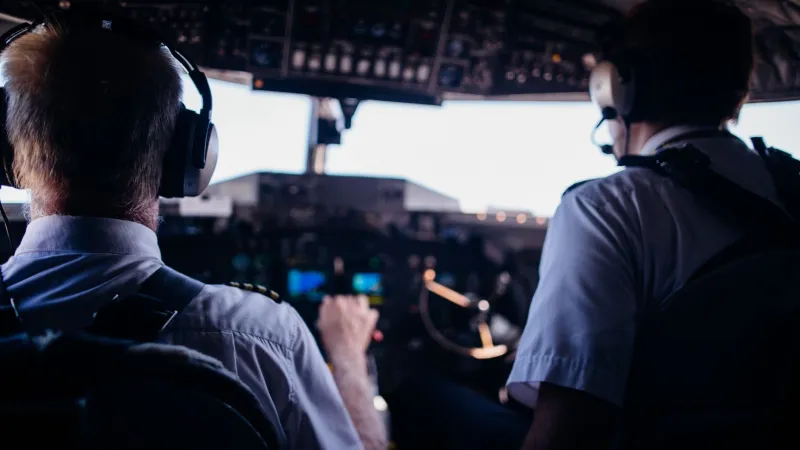
And that is the third leak: retention. Once qualified, RAF pilots possess exactly the credentials the commercial aviation market prizes. The cyclical boom in airline hiring has repeatedly pulled experienced aircrew out of uniform at precisely the moment their operational value peaks. The service cannot stop this migration entirely — but it can reduce its pull.
Why Interest Alone Cannot Fix It
It is tempting to assume that popularity solves recruitment. It does not. An oversubscribed applicant pool does nothing for a service that cannot process, train or retain the people it already has. Indeed, long recruitment and training timelines can actively damage enthusiasm: waiting lists, repeated medical rejections and delayed course starts breed the very disillusionment the recruiting campaign is trying to overcome.
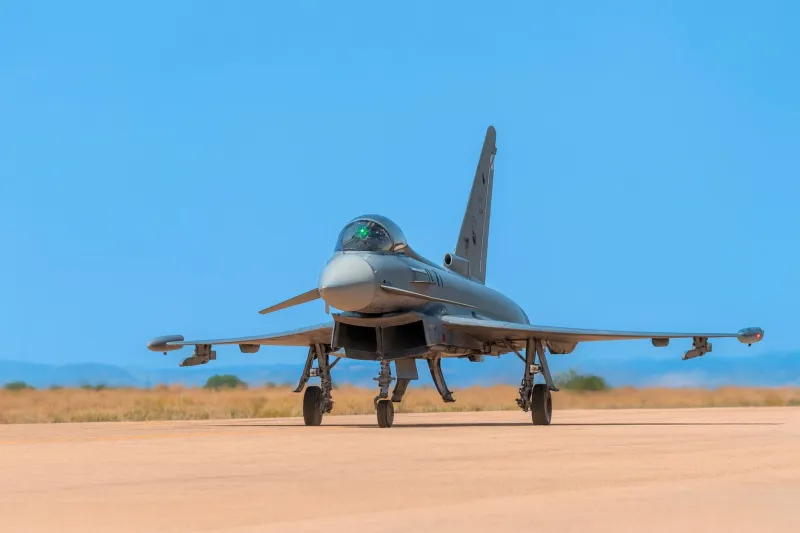
The RAF's public image — the Red Arrows, the Typhoon display circuit, the Battle of Britain Memorial Flight — is doing its job. The machinery behind it is not keeping pace.
What a Fix Should Look Like
Three changes would make a material difference.
First, modernise medical and aptitude screening to reflect contemporary aviation medicine, and resource the appeals process properly. Every candidate lost to an outdated standard is a self-inflicted wound.
Second, protect training throughput as a matter of operational priority. Instructor posts, simulator capacity and course scheduling should be treated with the same seriousness as front-line readiness, because in the long run they are the same thing. A front line cannot be sustained without a functioning school behind it.
Third, make retention competitive rather than merely dutiful. Targeted financial incentives, predictable flying commitments, better support for families at geographically demanding stations, and flexible career paths that let experienced aircrew move between operational, instructional and staff roles without penalty — these are the tools that keep people in the blue uniform.
The Strategic Stakes
Britain's air power ambitions — from carrier strike to NATO's northern flank to the next-generation combat air programme — all rest on a simple assumption: that there will be enough trained people to fly, maintain and command the fleet. Hardware can be procured. Contracts can be signed. People must be recruited, trained and, above all, kept.
The recruiting paradox will not resolve itself. Interest is abundant; the machinery that converts interest into capability is the constraint. Fix the pipeline, and the queue of willing young Britons will do the rest.