Two Minutes to the Runway: Life on Britain's Perpetual Air Defence Knife-Edge
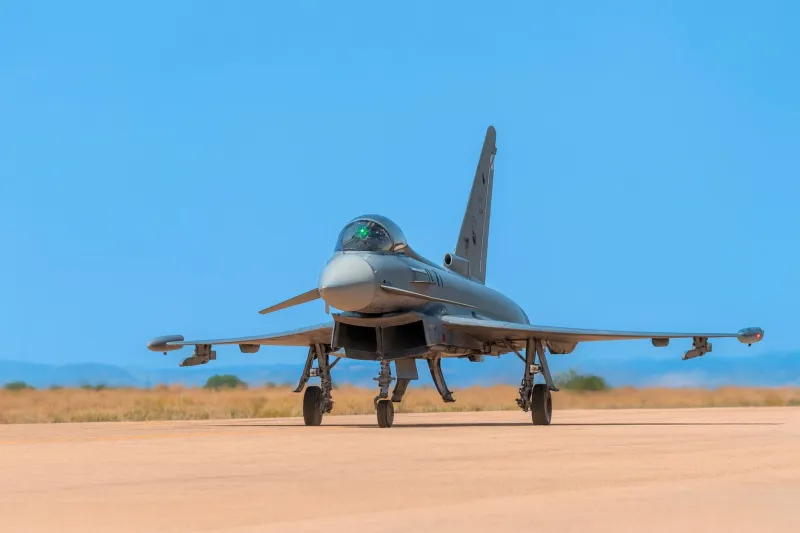
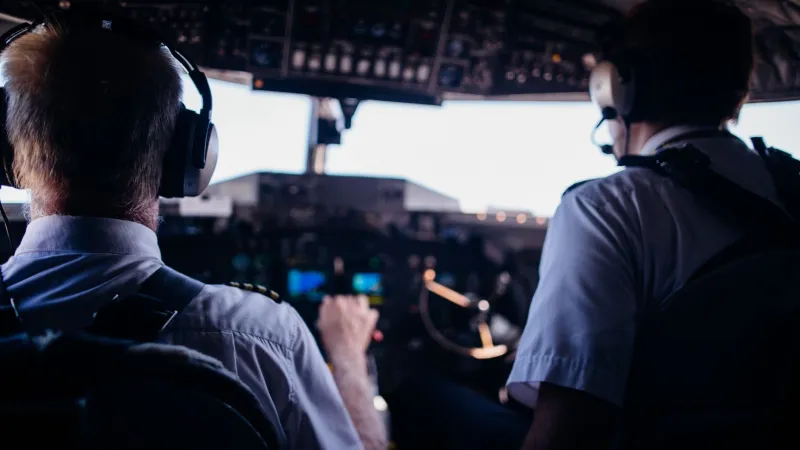
There is a chair in a crew room at RAF Coningsby that most of the country will never see. Beside it sit flying boots, a helmet bag and a set of checklists. The pilot in that chair can be airborne within minutes of the alert sounding — a level of readiness that has been maintained, without interruption, for decades.
Quick Reaction Alert, or QRA, is the sharpest end of British air defence. It is not an exercise that happens occasionally; it is a permanent posture, staffed around the clock, every day of the year, by squadrons that otherwise lead their normal operational lives.
What the Two-Minute Rule Actually Means
The concept is deceptively simple. A small number of aircraft and crews are held at the highest state of readiness, with fuelled jets, armed where required, and pilots close enough to the machines to be strapped in within minutes of an alert. Lower readiness states extend the response time, but the highest state — the one reserved for genuine unknown contacts — is where the famous clock begins.
When the klaxon sounds, the process is almost entirely muscle memory. Pilots sprint to the aircraft, run through emergency checks while ground crew complete the final preparations, and receive their tasking as they start engines. Aircrew describe the first scramble as an exercise in controlled chaos; by the tenth, the routine has burned itself in so deeply that thought gives way to procedure.
The intercept itself follows patterns rehearsed thousands of times. Identify the contact, establish visual where necessary, escort or shadow as directed, and hand off to the next crew or the civilian authorities. Most alerts end uneventfully. The uneventfulness, aircrew will tell you, is the point.
The Russian Shadow and the Modern Scramble
The character of the mission has shifted markedly over the past decade. Long-range aviation activity around the UK air identification zone — much of it Russian, much of it deliberate in its signalling — has given QRA crews a steady stream of real-world tasking that earlier generations would have found remarkable.
Bomber flights skirting UK airspace, aircraft flying without flight plans or transponder contact, and coordinated packages requiring multiple intercepts have all become routine enough to feature in Ministry of Defence reporting. Each incident is a training event as much as an operational one: crews practise the intercept geometry, the communications protocols with NATO partners, and the delicate business of shadowing an aircraft that does not wish to be escorted.
These encounters have also reshaped the drills themselves. Exercise scenarios now assume contested electromagnetic environments, simultaneous multi-axis activity, and the need to integrate with Typhoons and F-35s operating from different bases. The two-minute rule has not changed; everything around it has.
The Human Cost of Permanent Readiness
What is less visible is the toll. QRA duty disrupts sleep, family life and normal squadron routines in ways that are hard to explain to outsiders. A pilot can be woken at three in the morning, airborne within minutes, and expected to fly a demanding sortie and a full training programme the following day.
The RAF manages this through rotation — crews typically spend limited periods at the highest readiness before dropping to lower states — but the psychological weight of knowing that a phone call or a siren could end any quiet evening is a constant companion. Veterans of the mission speak of it with a certain pride, but few romanticise it.
There is also a quieter institutional burden. Maintaining permanent readiness consumes aircraft hours, ground crew capacity and training resources that are always in short supply. Every hour spent fuelled and armed on the alert pad is an hour not spent on other tasking — a trade-off that defence planners weigh continuously.
Why It Still Matters
It would be easy to dismiss QRA as a Cold War relic. The evidence suggests otherwise. The mission has intercepted aircraft in distress, escorted civil aircraft that lost communication, and provided the visible assurance that British airspace is watched at all times. In an era of hybrid threats and routine probing of NATO borders, that assurance carries real strategic weight.
For the pilots in that chair at Coningsby — and their colleagues who have stood the same watch elsewhere — the two-minute rule is less a slogan than a way of life. It is the clearest expression of what an air force is for: not the wars it fights, but the ones it prevents.